
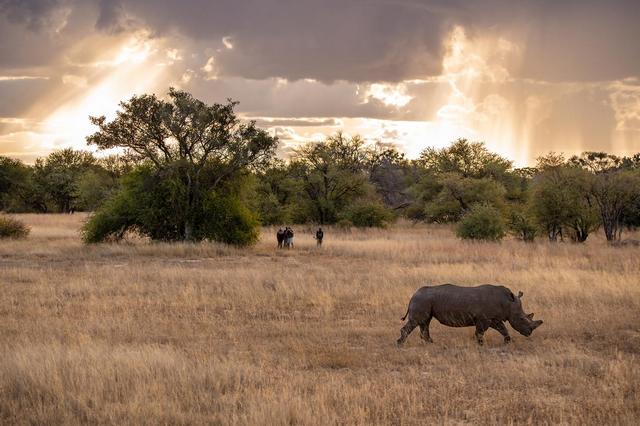
The reintroduction of white rhinos back into Hwange National Park is one of the most exciting conservation projects in Africa.
The History Of Rhino Poaching In Africa
White rhinos are an easy target for anyone with a rifle, and the original populations were eliminated from Zimbabwe in the early 1900s. As a species, it came dangerously close to extinction, but was saved by a small protected group in Zululand, South Africa. From that population, numbers gradually increased and the species was successfully reintroduced to their previous habitats around southern Africa in the 1950s and 60s. The rhino population in Hwange National Park peaked at around several hundred individuals in the 1970s and 80s. But by the early 2000s, poaching had eradicated the population from Hwange.

Hwange's White Rhino Reintroduction Plan
Imvelo’s Community Rhino Conservation Initiative (CRCI) was conceived to reintroduce rhinos to Hwange – but under intense protection this time. The community on the southeast edge of the park was already conservation-conscious, so the concept was to establish protected rhino sanctuaries on community land adjacent to the park. This would in turn serve as a catalyst for a bigger conservancy and buffer zone between the park and other communities, supporting local people through gate entry fees, jobs, increased tourism, and reduced human-wildlife conflict.

Communities Are Critical To Rhino Protection
The Tsholotsho Communal Land forms the entire southern border of Hwange National Park. Communities that were once poisoning elephants around Jozibanini are now committing their grazing land to wildlife. The villages of Ngamo and Ngunyana have given land to the first mini sanctuary, which has become the pilot project for other sanctuaries and ultimately the whole conservancy. Other communities have agreed in principle to the concept but are first waiting to judge the success of this first project. Proceeds from guests visiting the rhinos will support the salaries of nurses at the newly built Ngamo Clinic and help to fund the security forces needed to protect the rhinos. We were thrilled that some of our guests were the first to get to meet the new rhinos!

Long-Term Rhino Goals
The long-term goal is to create several ‘mini-sanctuaries’ along the eastern boundary of the park, each with two to ten rhinos. Once they are functioning and observers are comfortable that management and protection is acceptable, these can be linked together to create a larger conservancy of around 30-50 free-ranging rhino in a self-sustaining wildlife conservancy on community land that is also a buffer zone that mitigates human-wildlife conflict.


Reintroduction Of Rhinos To Hwange
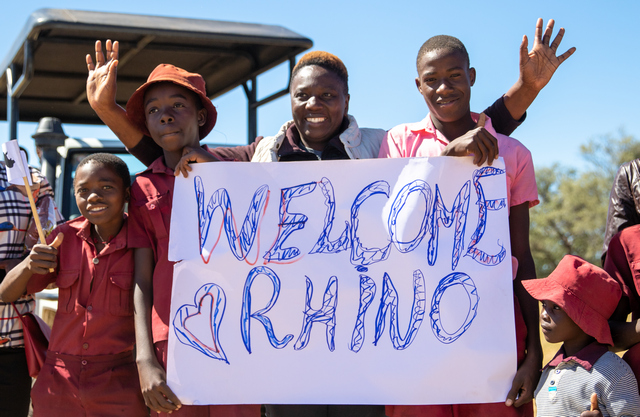
The first two white rhino bulls were transported from Malilangwe in southeastern Zimbabwe. Malilangwe is a private conservancy/ranch on the boundary of Gonarezhou National Park, with one of the largest populations of rhinos in Zimbabwe. Thusa and Kusasa arrived in Hwange in May of 2022 and were enthusiastically welcomed by the local community. Watch the video of the arrival of the rhino here.

Keeping Hwange's Rhinos Safe
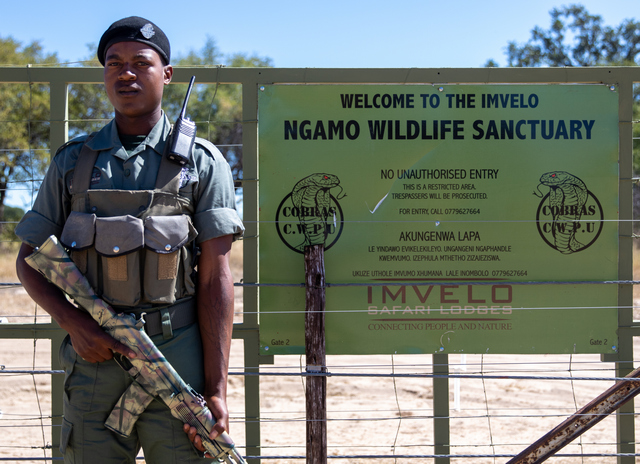
The security of the rhinos is paramount. The security scout selection courses are open only to young men from the neighboring villages. Those who pass selection undergo rigorous training to British military standards. The 25-man Cobras Community Wildlife Protection Unit is well-armed and the Cobras are local heroes. Children at Ngamo School play ‘Cobras’ in their free time, marching, saluting, and doing press-ups.
Remain Flexible When Things Change
Change happens- expect the unexpected! Despite the best-laid plans and preparation, flights can still be delayed or canceled. When this happens, work with the airline to get on the next available flight to your destination. Always work with the airline first before resorting to calling a booking service (like Exito Travel, who many of our guests book with). If there are any change fees or re-booking costs, be sure to save your receipts and document everything in case you need to file a travel insurance claim (see above). If you expect there to be challenges, then you’ll be better prepared for them or pleasantly surprised when everything goes smoothly. After all, the vast majority of flights and passengers don’t encounter flight issues.
Moving Rhino Conservation Forward
Existing rhino conservation successes throughout Africa are on private land. This project represents a massive paradigm shift, with rhinos on community land with local communities as custodians. The only other place this has been done is a highly successful project in Namibia with desert black rhinos. But this initiative in Hwange is a first for white rhinos.


