Unique Wildlife Of Madagascar

“Of Madagascar, I can say… At every step one encounters the most strange and marvelous forms”

– J.P. Commerson, 1771

Madagascar is a naturalist’s delight, providing intrepid travelers with endless opportunities to get up close and personal with some of the most bizarre and fascinating wildlife on Earth. A former part of Gondwana that detached from Africa and then India tens of millions of years ago, Madagascar’s long-standing geographic isolation has allowed for species to evolve independently, creating an evolutionary laboratory that has led to the emergence of a megadiverse biological hotspot. 90% of Madagascar’s wildlife is endemic (unique to the island), and the diverse ecosystems (tropical rainforests, limestone tsingys, dry deciduous forests, grasslands, coastal areas, and deserts) hold more than 200,000 species of plants and animals, with new species being discovered every year.
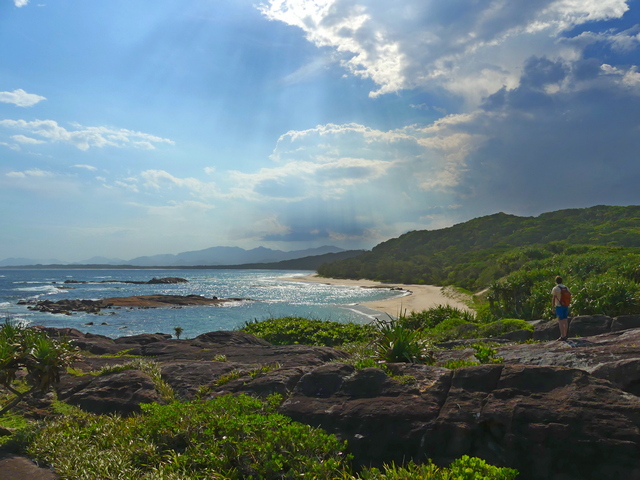
southern sandy beach in Madagascar, rimmed by green forests
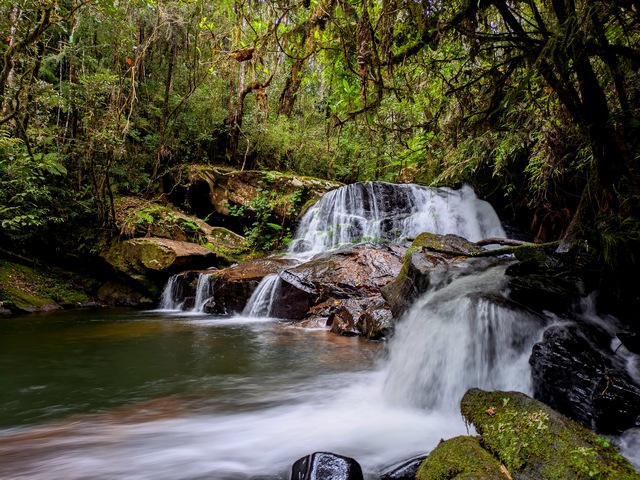
waterfall in Mantadia National Park Madagascar
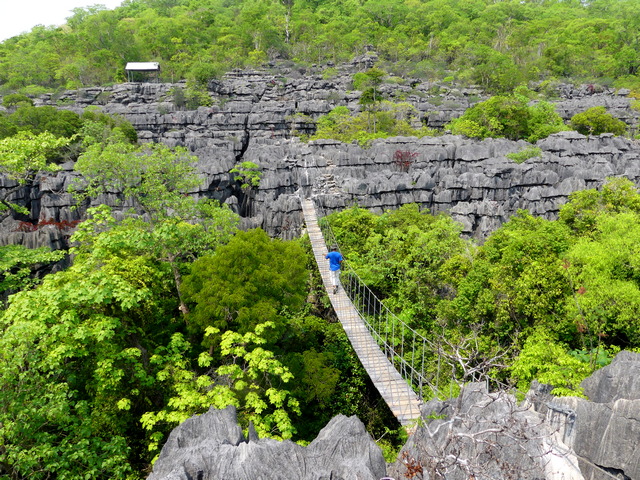
Tsingy in northern Madagascar, with a man crossing a suspension bridge between rock outcrops
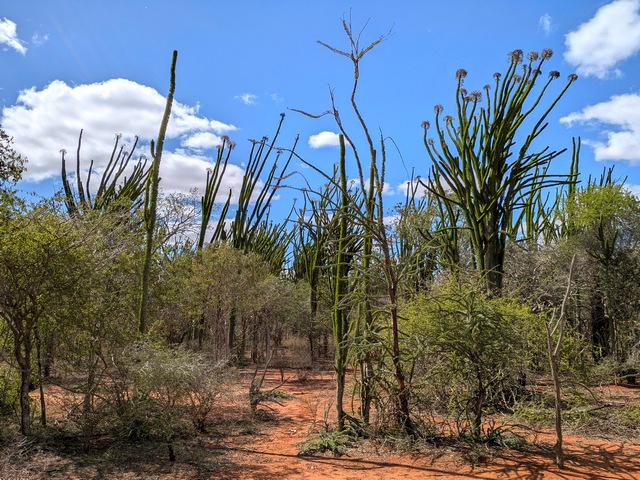
The spiny forests of southern Madagascar

Mammals Of Madagascar

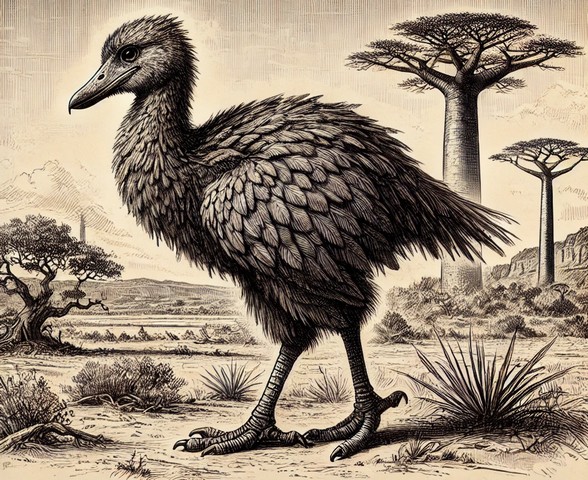
Madagascar’s long-standing geographic isolation has led to a surprising lack of large mammals on the island. The large mammals that did exist, from 17 or more giant lemur species to pygmy hippos to 10-foot tall elephant birds (check out Chat GPT’s rendering of an elephant bird below!), have all gone extinct in the past 2500 years, since humans arrived on this island. Today, Madagascar has just eight orders of mammals represented, including lemurs, tenrecs, rodents, bats, and small carnivores. The majority of mammals are nocturnal, and the more time you spend out walking through the forests, the more likely you are to see these little creatures.


Chat GPT drawing of an ancient giant bird on Madagascar, with baobab trees behind it
Chat GPT

What Is A Fossa?

The fossa (pronounced foo-sah) is Madagascar’s top predator (lemurs, beware!), and while it may look like a puma, it is a member of the mongoose family. Females like the one below are notoriously promiscuous, and as a result, males have evolved disproportionately large penises (to better implant their semen and increase the chances of beating competing males’ sperm to fertilize the egg).

A Tenrec Versus A Hedgehog

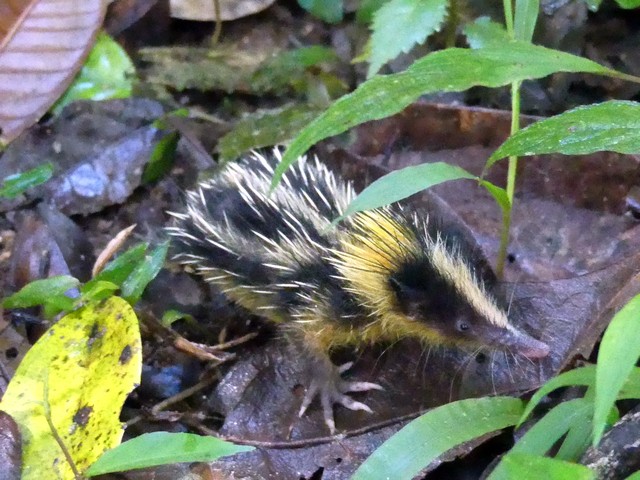
While this tenrec we saw in the eastern rainforests of Andasibe may look like a hedgehog or shrew, tenrecs are their own family and they are an excellent example of convergent evolution!

A tenrec seen on a luxury tour of Madagascar's Andasibe Reserve

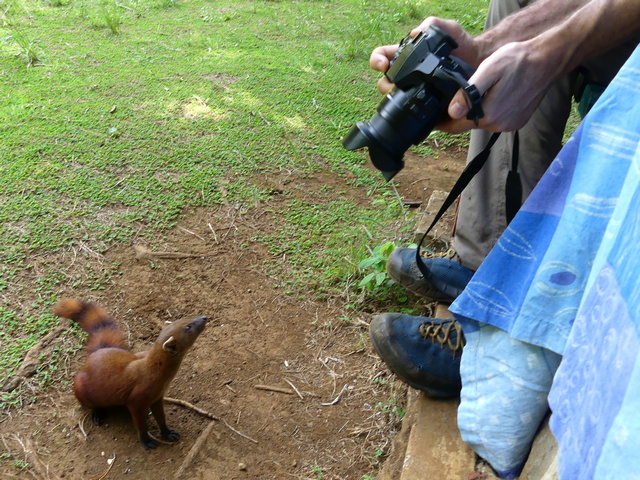
Ring-tailed Vontsira

Madagascar’s most common, widespread small carnivore is an endemic species that can be seen throughout different forests in the north, east, and west of the island.


A vontsira approaches a man with a camera as seen on a luxury tour of Madagascar's Amber Mountain

Fun Facts About Lemurs in Madagascar

Indri, ring-tailed, mouse, fat-tailed dwarf, sifaka, brown, black and white, and red- the diversity of Madagascar’s lemurs is incredible!

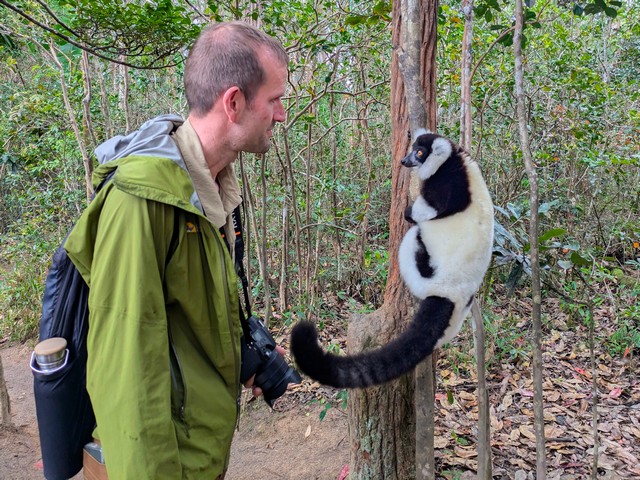
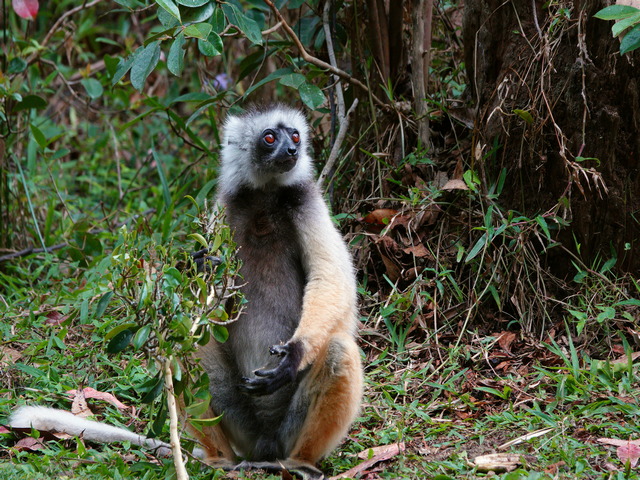
Lemurs are Madagascar’s most iconic and celebrated biological treasure, and they are the world’s oldest living primates, with an evolutionary history that goes back 70 million years. A third of the world’s primate families occur in Madagascar, which is the only place where lemurs are found, totaling over 100 unique lemur species spread across the island. With their piercing eyes and dexterous hands, acrobatic antics, and crazy vocalizations, lemurs are captivating little creatures to encounter in the wild. From the tiny (1.1 ounce!), nocturnal Madame Berthe’s mouse lemur, which can fit in the palm of your hand, to the ear-shattering wails of the Indri and the adorable oinking of common brown lemurs, each lemur species has its endearing attributes.


A man looking at a black-and-white ruffed lemur in a tree at Lemur Island near Andasibe Reserve Madagascar
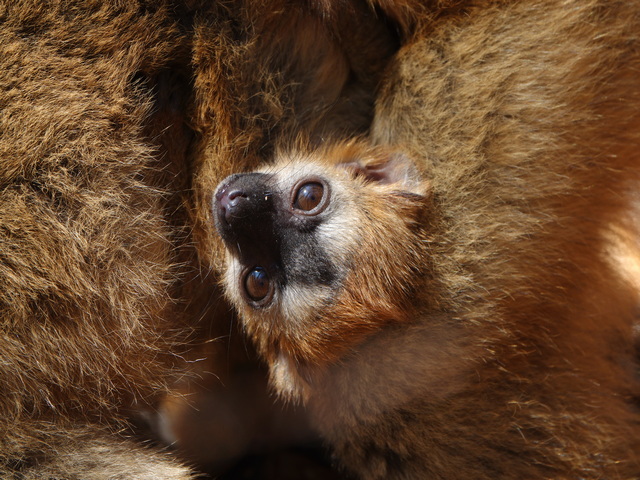
Baby brown lemur being carried on its mother
diademed sifaka sitting on its haunches at Lemur Island near Andasibe Reserve Madagascar
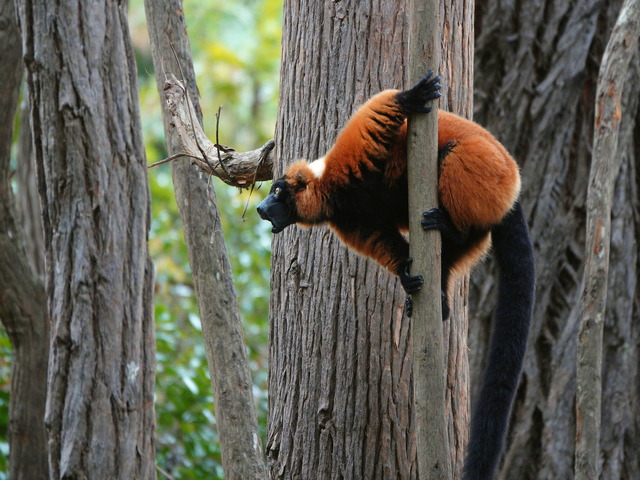
Red ruffed lemur about to jump from a tree at Mantadia National Park in Madagascar
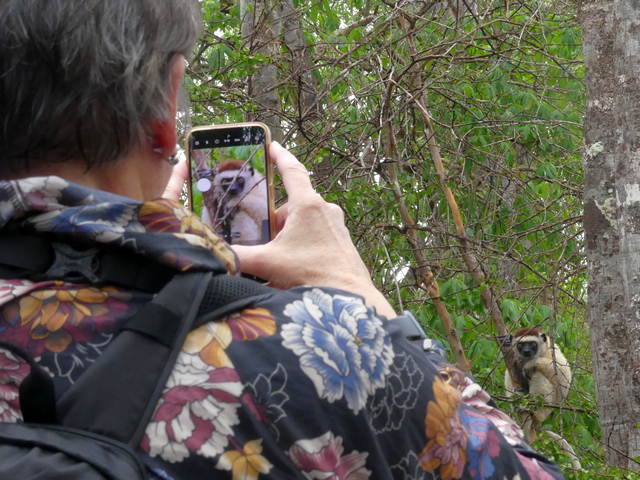
A luxury tour participant photographs Verreaux's sifaka in in the spiny forest of southern Madagascar near Mandrare River Camp
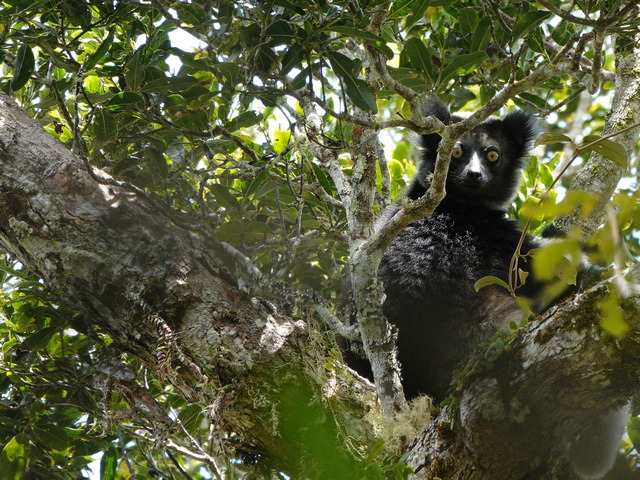
An Indri peers at the camera from behind the trees at Mantadia Reserve in Madagascar
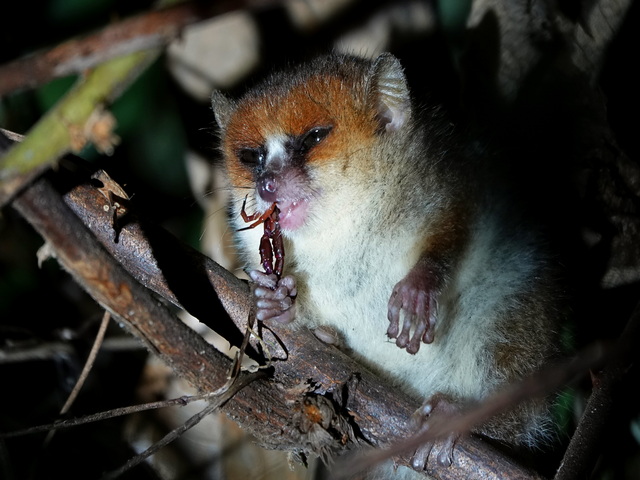
mouse lemur eating an insect at night near Mandrare River Camp in the spiny forest of Madagascar
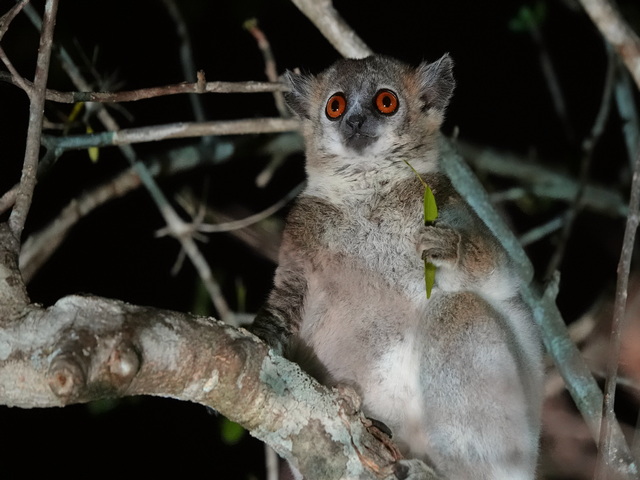
A sportive lemur perched on a tree branch at night in in the spiny forest of southern Madagascar near Mandrare River Camp
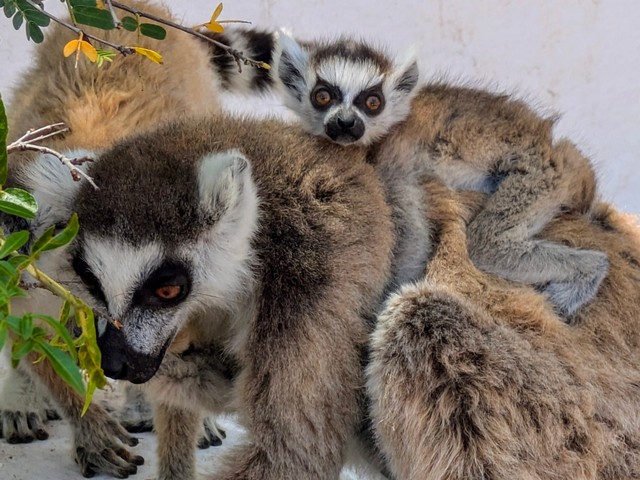
A mother ringtail lemur with her baby on her back, found near Mandrare River Camp in the spiny forests of Madagascar

Chameleons Of Madagascar

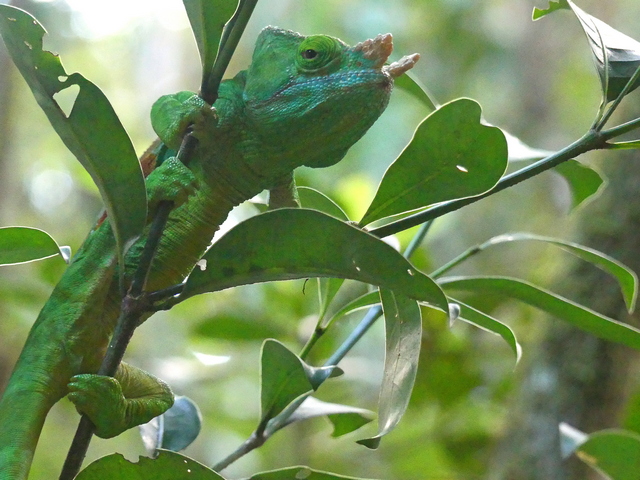
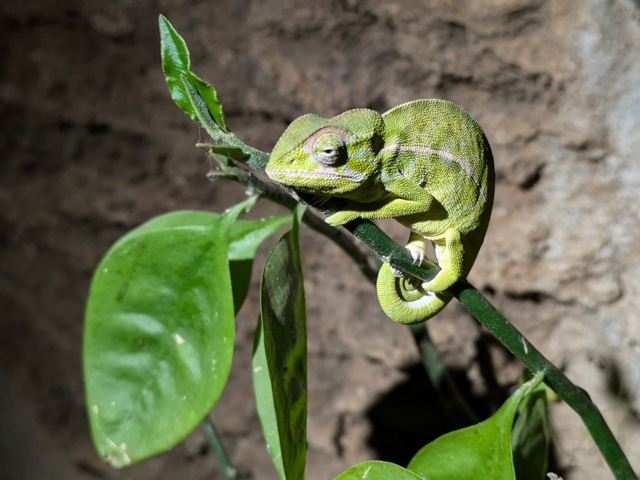
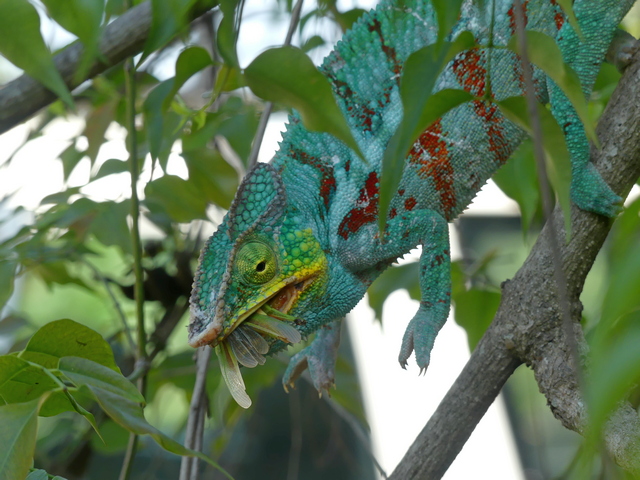
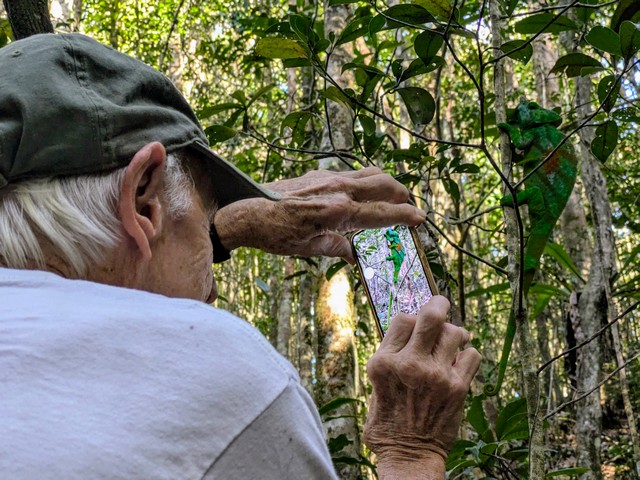
Madagascar hosts half of the world’s chameleon species, including the world’s smallest and largest. Chameleons are perfectly adapted to life in the trees, with plier-like toes for gripping branches and eyes that can swivel independently, constantly on the lookout for predators and prey. Watching a chameleon fire its sticky tongue (which is the length of its entire body!) to zap unsuspecting insects out of the air is a highlight of any trip to Madagascar!

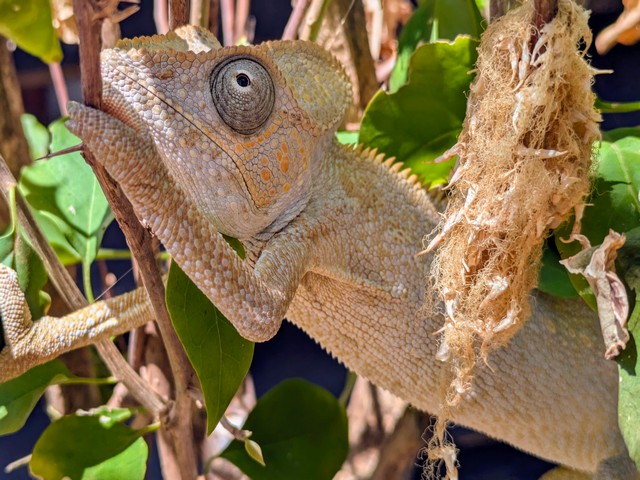
A chamelon on a branch at Anjajavy Reserve in Madagascar
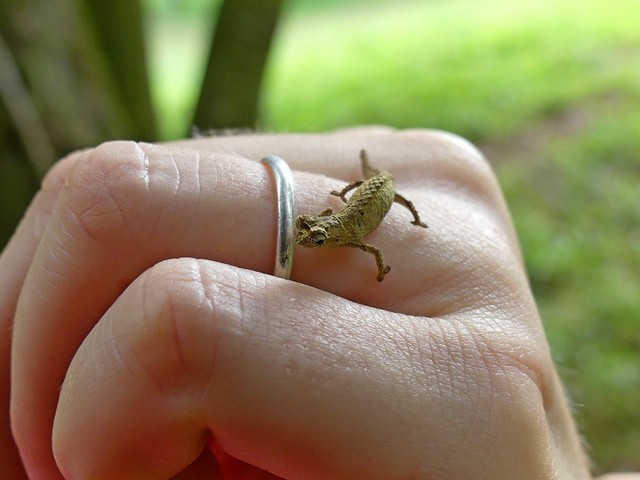
tiny brookesia chameleon next to the ring on someone's finger at Amber Mountain Reserve in Madagascar
horned chameleon blending in perfectly with the green leaves surrounding it in Madagascar
A small green chameleon on a branch next to a leaf at night at Mandrare River Camp Madagascar
Panther's chameleon eating a grasshopper on a tree branch near Amber Mountain Madagascar
A man photographing a large chameleon in a tree at Mantadia National Park in central Madagascar's rainforests

Madagascar's Geckos

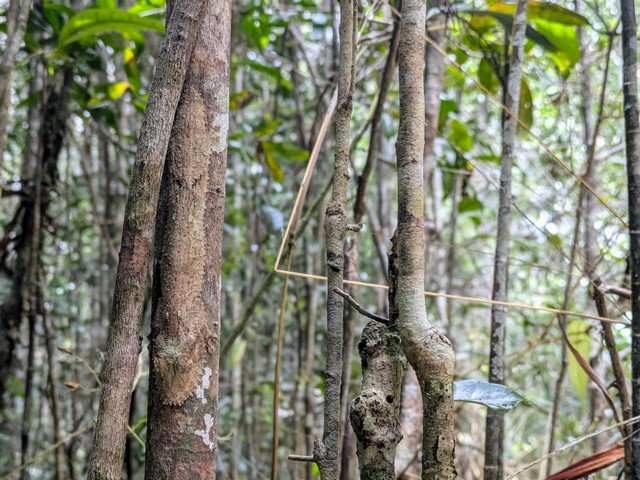
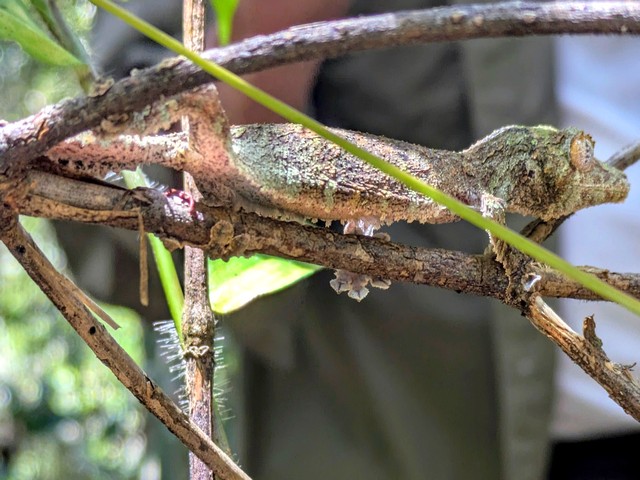
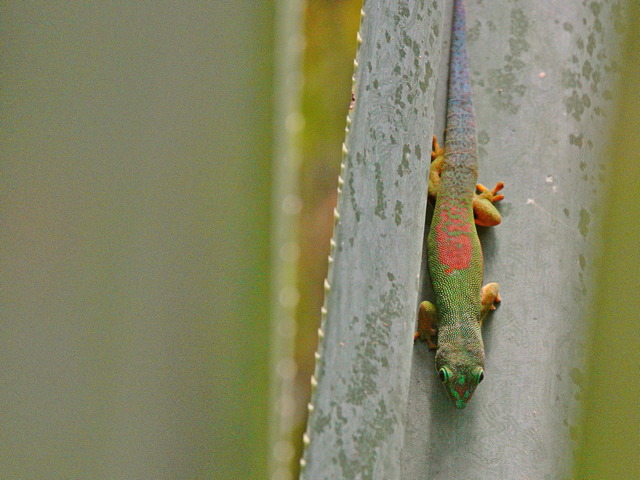
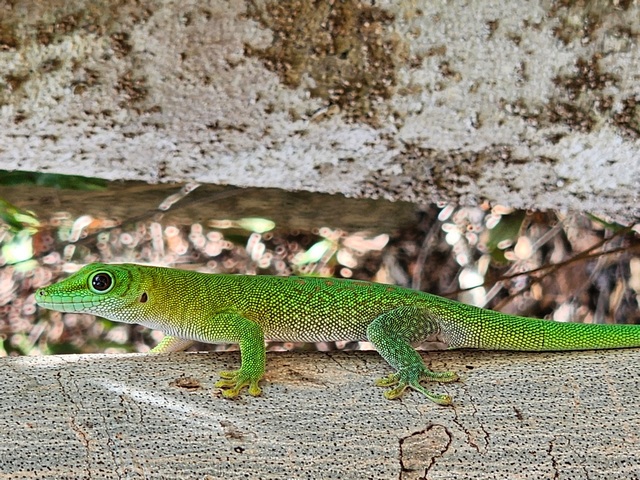
Geckos are the most successful of all lizards, and in Madagascar, you are bound to see these vibrant, beautiful beings without even leaving your hotel, as they are common in gardens and outdoor dining areas. We spent an hour watching a gecko hunt insects while we ate our dinner at an outdoor restaurant, and it was impressive to see the speed, visual perception, and agility of this tiny yet formidable predator! The leaf-tailed geckos found in the rainforests and deciduous forests demonstrate an unparalleled aptitude for camouflage- can you spot the mossy leaf-tailed gecko in the photo below?


Mossy leaf-tailed gecko almost impossible to see as it is camoflauged against the bark of the tree it is clinging to at Andasibe Reserve in Madagascar
Leaf-tailed gecko at Mantadia National Park Madagascar
Day gecko on an agave leaf in Andasibe Reserve Madagascar
A bright green day gecko perched on a branch at Anjajavy Reserve Madagascar

Additional Reptiles Of Madagascar

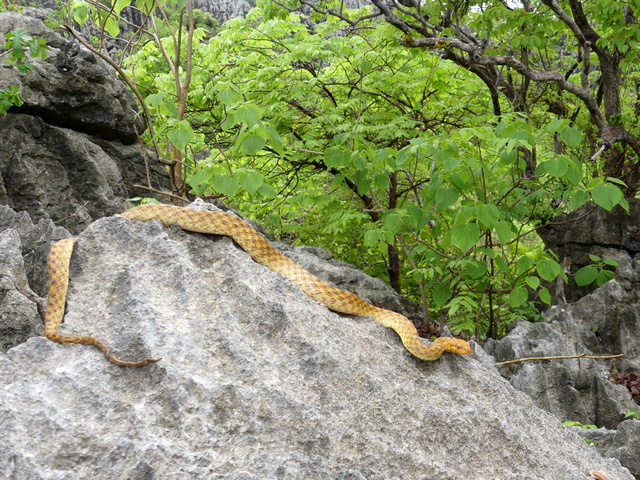
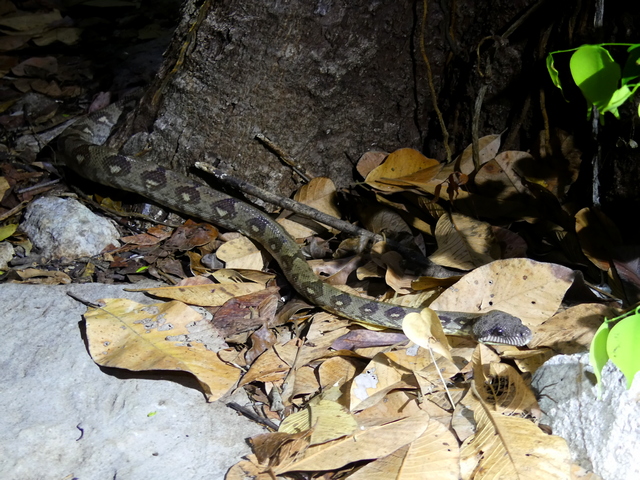
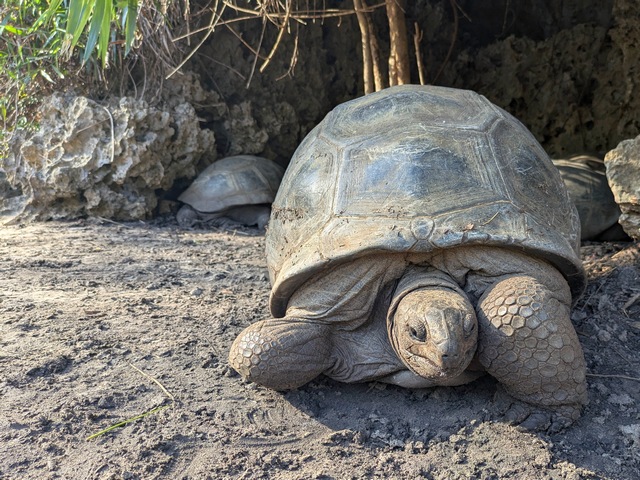
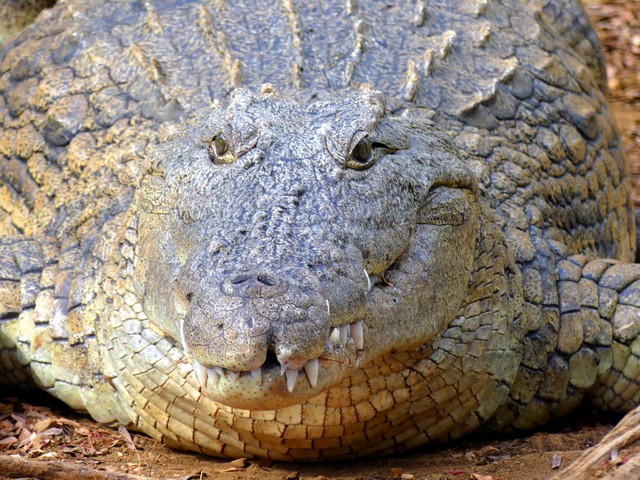
With almost 400 reptile species cataloged in Madagascar (90% of them endemic!), there is more to see than chameleons and geckos, including crocodiles, lizards, turtles, and snakes. Thankfully none of the 80 snake species are overtly dangerous to humans, as the only terrestrial venomous snakes are rear-fanged (meaning they can’t inject their venom unless they are somehow able to chew on you. Pro tip- don’t EVER let a snake chew on you!). The tree boa seen in the night photo below is one of the many nocturnal species of snakes that hunt for small prey at night, and an interesting fact about the Madagascar tree boa is that unlike most reptiles, they birth live young after incubating their eggs internally.

A long yellow snake in the Tsingys of northern Madagascar
A tree boa hunting on the forest floor at night in Andasibe Madagascar
Aldabra giant tortoise at Anjajavy Reserve, part of a reintroduction project in Madagscar
A large Nile crocodile in northern Madagascar

Frogs And Amphibians Of Madagascar

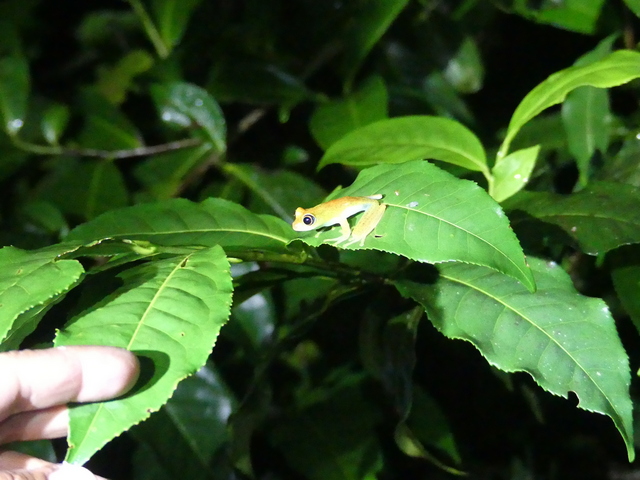
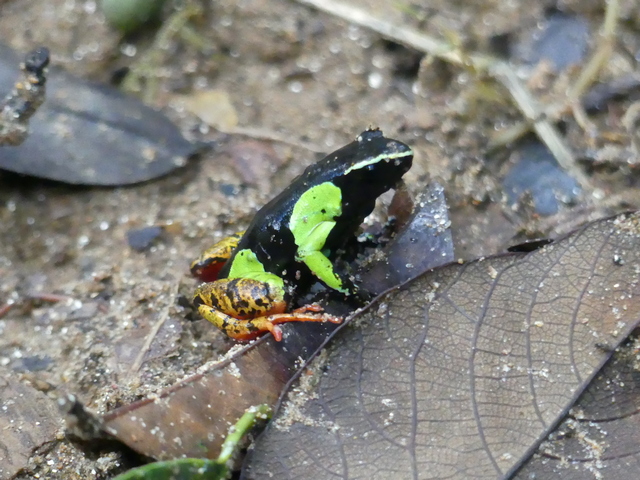
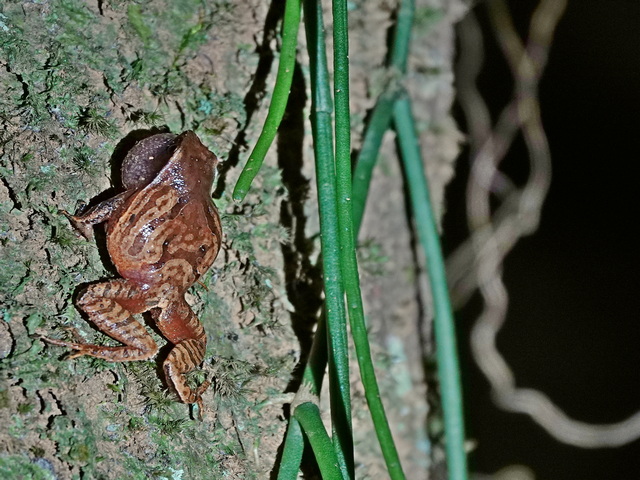
Frogs are the only amphibians to have colonized Madagascar. There are an estimated 750 species on the island today, with all but two of those being endemics! The best time to see frogs is during the rainy and oppressively hot off-season, which we do not recommend. Even when visiting during the more pleasant dry season, you are bound to see (and hear!) these cute little forest friends, especially in the eastern rainforests.
Small yellow frog on a leaf in the rainforest at Andasibe Reserve Madagascar
Green and black frog with red legs in the rainforests of Andasibe Madagascar
Red and brown frog puffed out as it sings in the rainforests of Andasibe Madagascar

Amazing Insects Of Madagascar

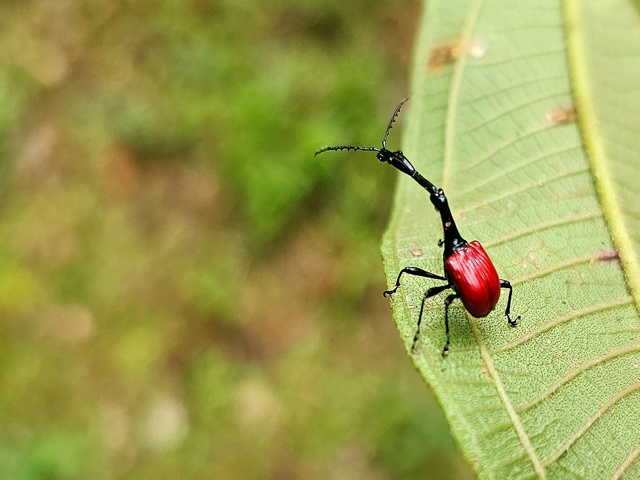
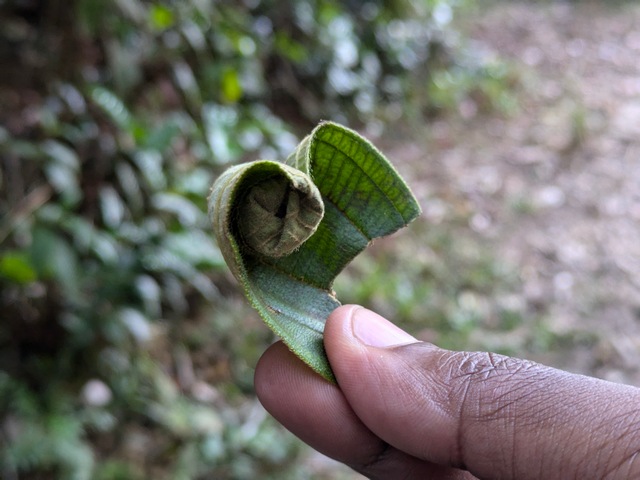
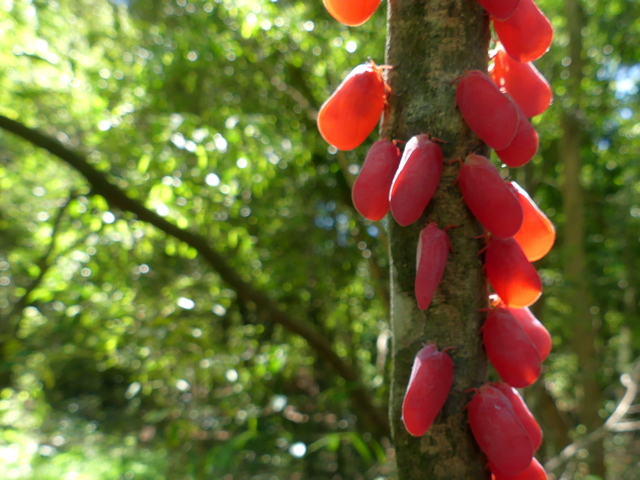
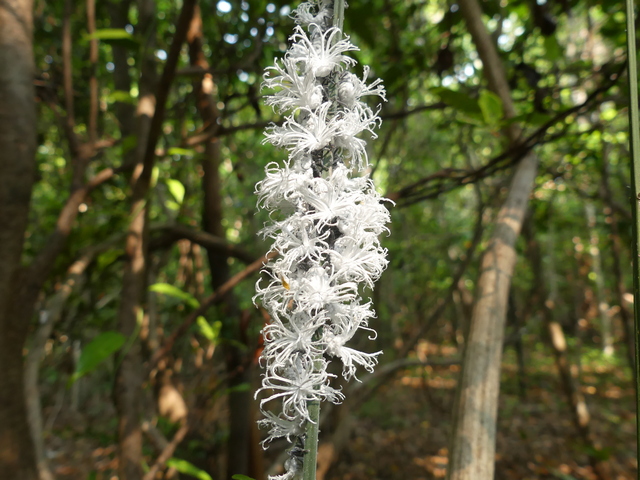
Last but not least, Madagascar has an astonishing array of dazzling insects, from technicolor butterflies and moths to stealthy stick insects, iridescent bugs, and exotic beetles. The endemic giraffe-necked beetle shown below is one of Madagascar’s celebrity insects, and the male uses its long neck to roll a leaf to make an egg case in which the female lays a single egg. The intriguing flatid leaf bugs are another iconic endemic, as the adults look like pink flowers attached to tree branches, while the feathery white nymphs excrete a waxy substance that helps them evade predators.

Giraffe necked weevil on a leaf at Andasibe Madagascar
A leaf rolled around the egg of a giraffe necked weevil at Andasibe Madagascar
Adult flatid leaf bugs clinging to a tree in northern Madagascar, looking like flower petals
White, flowery-looking juvenile flatid leaf bugs clinging to a tree in northern Madagascar

Birds Of Madagascar

Madagascar has around 300 species of birds, with 100 endemic species. Birds are everywhere, and they are such a varied and interesting group that we will save Madagascar’s birds for a future blog post!

When you are ready for your own up-close encounters with Madagascar’s captivating critters, give us a call to help you plan your dream wildlife extravaganza on this intriguing island!

Your Wild Adventure Aficionado,

Alexis Alloway

Let’s Stay In Touch

Subscribe to our newsletter