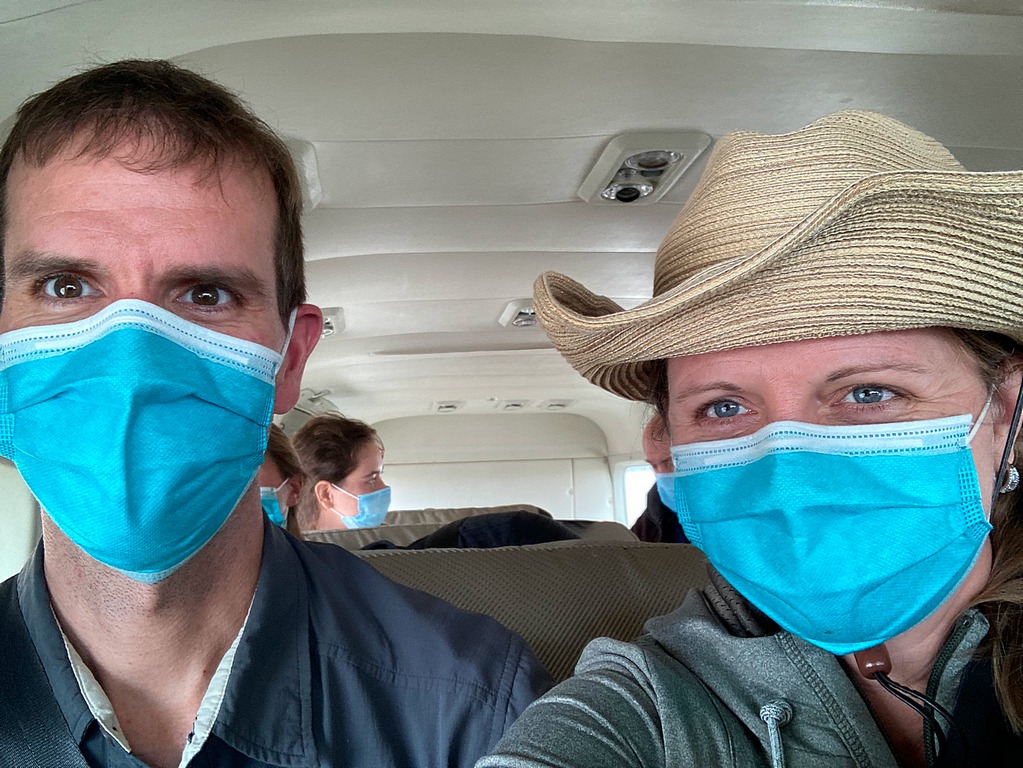
Travel in the Era of COVID-19

covid_travel_masks

When the seriousness of the COVID-19 pandemic became evident in March of 2022, we instantly knew that it would have devastating impacts on international travel. 2020 soon became known as “the year of disappointment” as lockdowns, cancellations, and sickness took hold and turned life as we know it upside down.

By summer, when restrictions eased, things started to take on some semblance of normal where we live in southwest Montana. Visitors were not only returning to nearby Yellowstone National Park, but the park was seeing record visitation numbers and our restaurants, trailheads, and downtown streets were bustling. By August, some African countries were starting to re-open their borders to visitors, and we watched intently as a few of our travel colleagues boldly ventured out. Seeing their trips go smoothly encouraged us that we could do the same, and in mid-October, we set off on a two-week trip to Kenya, which had seen surprisingly low Covid infection rates compared to other parts of the world.
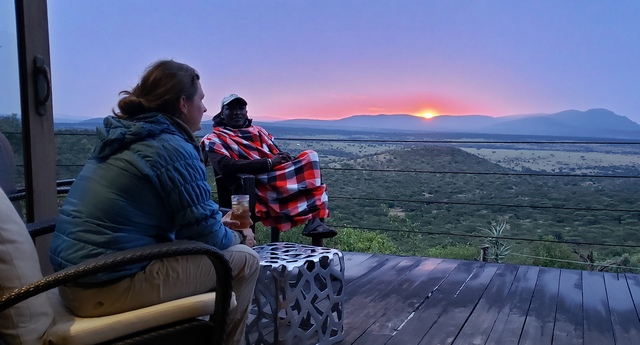
mara_sunset_maasai_guide

What Is It Like To Travel During Covid?

In short, it was amazing and our trip to Kenya was definitely the highlight of our year. We were able to check Giraffe Manor and seeing a Masai Mara wildebeest river crossing off our bucket list.

We made new friends and planted seeds for new partnerships and our visit supplied much-needed economic support to people and communities who are struggling more than ever due to the economic devastation of Covid-19. There was a lot of uncertainty on the front end of our trip and we had to be extremely diligent with Covid precautions, but once we were over there on safari, things actually felt somewhat normal (and we felt safer from Covid in Kenya than here at home in Montana). Traveling at a time when pretty much no one else was allowed us to experience unheard-of solitude in one of east Africa’s busiest and most spectacular national parks. We were also able to get last-minute bookings at some of Kenya’s most exclusive accommodations that usually have a one-year or more waitlist.

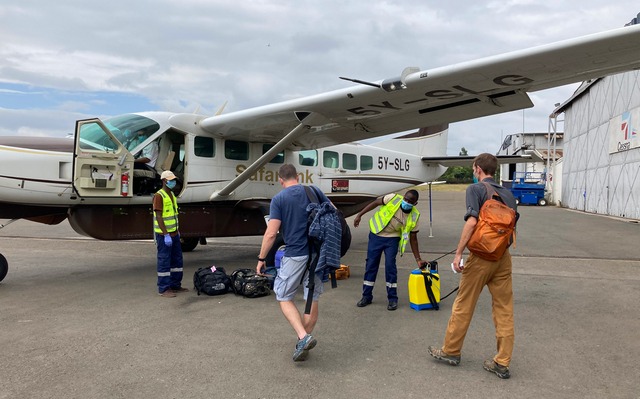
bush_plane_kenya

Considerations for Traveling During the Pandemic

If you are thinking about making the leap to travel in 2021, here are some pointers to consider:

  • Can I travel right now? YES! With some careful planning and preparation, you can travel right now or anytime this year. Need a suggestion? Check out our Zimbabwe Conservation Safari in October!
  • Know before you go. Covid infection rates and country entry requirements differ from place to place, so you will want to choose a destination that makes sense given the current situation. We have been closely watching the Covid situation in our destinations, so call us to discuss which places make the most sense for 2021. Every country is requiring some sort of negative Covid PCR test for entry.
  • Plan an appropriate (read: socially distant) itinerary from the get-go. By now we have seen that the lowest risk of Covid transmission is when we are socially-distant in the outdoors. This means that 2021 is not the year to visit crowded cities, huge festivals, and indoor venues. Planning a safari is a perfect, lower-risk objective in the time of Covid since you’ll spend the majority of your time outdoors, in small, exclusive camps, and in open-air vehicles. A safari has always been naturally socially-distant, making it an ideal vacation for the Covid era.
  • Get travel insurance. We have always recommended travel insurance to anyone investing in an overseas trip, and now travel insurance is a must-have. There is simply too much uncertainty and the possibility for things to go wrong, especially if someone in your party tests positive for Covid. We highly recommend Roam Right Travel Insurance.
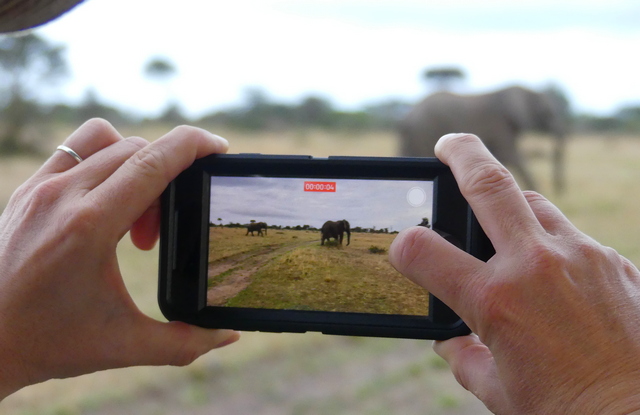
camera_screen_elephants
  • Self-quarantine before you depart. The success of your trip is 100% dependent upon you and everyone in your party testing negative for Covid just hours before departure. “Passing” our Covid test was the most stressful part of our trip. What if one or both of us tested positive? We recognized that a positive test result would ruin our trip, and we were not willing to take chances. For the ten days leading up to our trip, we self-quarantined and hardly went out in public. Minimizing your exposure to other people, strict mask-wearing, generous social distancing, and frequent hand-washing are all essential actions that will not only help you stay Covid negative, they will also help prepare you for the new norms you will experience while traveling.
  • Minimize Covid exposure on airplanes. Air travel was the most high-risk part of our trip and it was the part where we were most exposed to possible Covid infection. Some ways to manage this risk are to minimize stops/layovers, wear a more-effective two or three-ply mask or double up on masks, be one of the last people to board the plane, stay in your seat as much as possible, and religiously mask, sanitize, and social-distance during every step of your transit. We were super impressed at how diligent the airlines were about enforcing masks (the flight attendant woke up a napping passenger behind us to tell him his mask needed to be on!) and you will need to stay vigilant with Covid precautions for the duration of your transit. Wearing a mask non-stop on a 14-hour flight is annoying, but getting or spreading Covid is even worse.
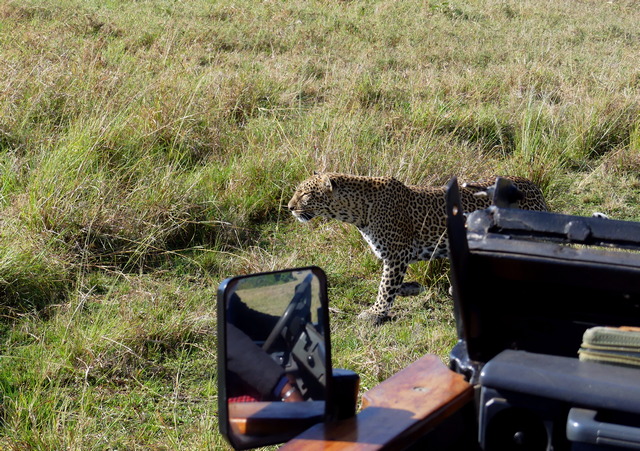
leopard_mara
  • Be prepared to play by the rules. Once we arrived in Nairobi, we had to pass a health screening (questionnaire and temperature check) in addition to the usual customs and arrival routine. Once we were out of the airport, things began to feel more normal, but still different. Mask-wearing, sanitizing, hand-washing, temperature checks, and distancing are the “new norm” while traveling. If you don’t want to abide by these norms, then don’t plan to travel in 2021.
  • Recognize that risk can be managed but not completely erased. We can do many things to help prevent the spread and risk of contracting Covid-19, but people can still get infected despite playing by the rules. Before booking a trip, you need to consider whether you are truly willing to accept the consequences if you do get sick overseas. We had an excellent trip where the rewards of travel definitely outweighed the possible risks (which we proactively managed), but we recognize that not everyone may be so lucky. Think about both the likelihood and consequences of a Covid infection during travel, and choose according to your risk tolerance.
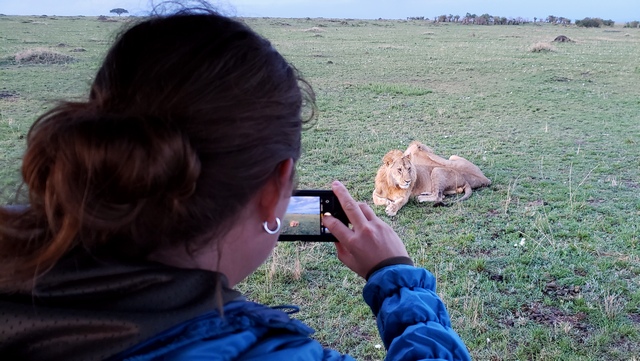
photographing_lion

With Covid infection numbers dropping by the day and several different vaccines already in distribution, we are very optimistic that travel will begin a slow return in 2021 and we are already seeing steady inquiries for travel in 2022. However, it will take some time before things truly go back to normal, and all travelers need to be ready and realistic about that. Airlines, lodges, and restaurants that have been hit hard by Covid understand the importance of strict protocols to keep travel “open,” and we were gladly willing to play by these rules to protect ourselves and others from possible infection. Our trip to Kenya provided a much-needed mental and emotional break after a particularly difficult year, and we are extremely grateful to have had this opportunity for rest, reflection, and renewal. Travel in 2021 may not be for everyone, but it is definitely doable.

If you have questions, give us a call or get in touch! We are happy to share more about our personal experiences and help you plan your own adventure!

Alexis Alloway

What Gear to Bring for Gorilla Trekking

Many lodges provide or sell gaiters and walking sticks/trekking poles. You don’t need to bring your own unless you are particularly attached (we brought our own gaiters and some leather gloves, which are light enough to pack easily). A good camera is a must. You’ll be up close most of the time but having some zoom helps too. Expect low light. Much like in Rwanda, accommodations range from comfortable to luxurious.

Gorilla Trekking Costs in Uganda

Permits in Uganda are $800 per person per day and also support habitat preservation as well as the conservation efforts of the Ugandan wildlife authorities.

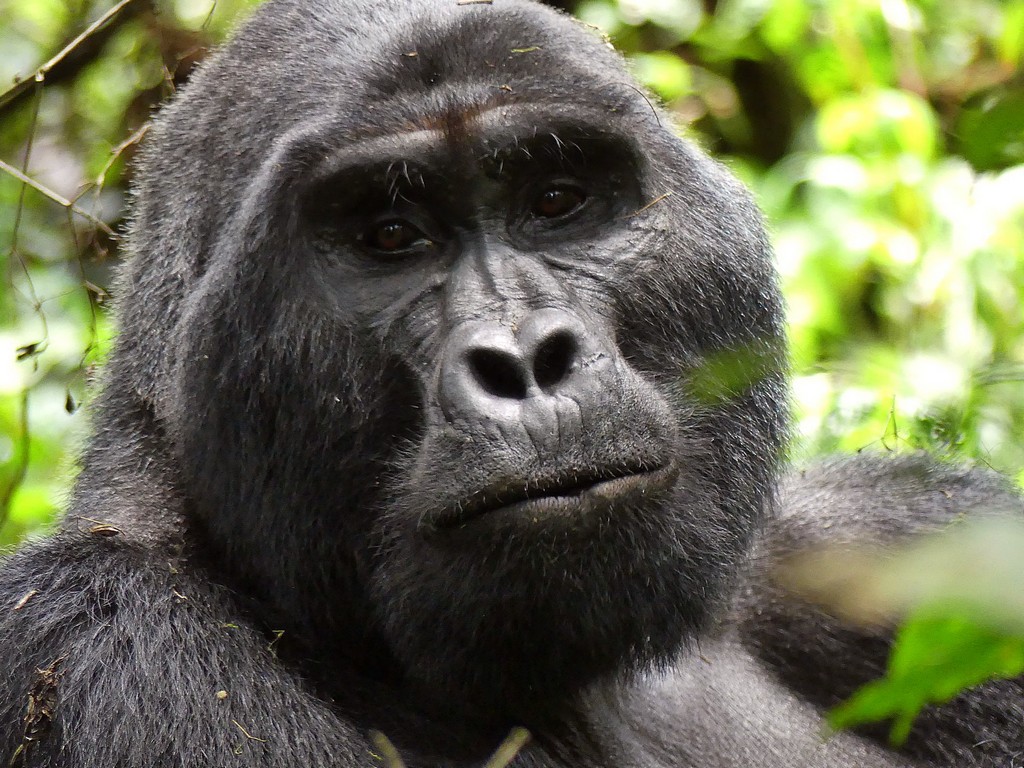
Headshot of a silverback gorilla in Uganda looking right at the camera

Pro Tip: Fitness

More important than any other piece of advice for trekking in either country is this: the more fit you are and the better shape you are in, the more you are going to enjoy this experience. At a minimum, you should be able to hike uphill for four or more hours, in the rain, on an uneven trail that might require big steps. If you get lucky and have an easier trek you’ll be pleasantly surprised. But if you wind up with a very hard trek, you’ll be ready for it and won’t be physically struggling and totally spent by the time you reach the gorillas.

Ready for your own gorilla trekking adventure in Uganda or Rwanda? Call us – we’ve been there!

Your gorilla trekking expert,

Alexis Alloway

Let’s Stay In Touch

Subscribe to our newsletter