Patagonia: Seven Things That Surprised Me

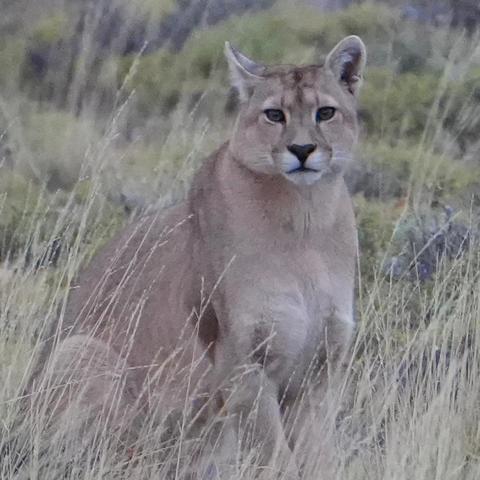
A puma looks at the camera in Torres Del Paine National Park in Patagonia Chile

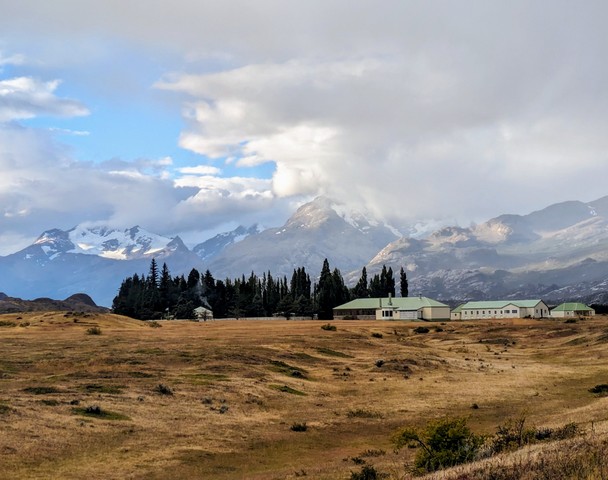
On my first visit to Patagonia 17 years ago, I carried a massive backpack on a 65-day journey across glacially-fed rivers, through tranquil lenga (beech tree) forests, and up the snow-capped mountains of Chile’s Aysen Region (now home to Patagonia National Park). I fell in love with the endless mountain landscapes and raw natural beauty of the region, and I was thrilled to return to this notoriously wild corner of the world in March 2024. This time we’d explore further, venturing to the iconic Torres del Paine and Los Glaciares National Parks (without a heavy backpack, and in comfort and style).

As a repeat visitor to Patagonia, I had some sense of what to expect: stunningly beautiful landscapes, endless skies punctuated by jagged mountains and ever-changing clouds, and countless opportunities for outdoor adventures at the end of the Earth. Our most recent trip delivered all this and more. Here are seven surprises from our latest Patagonian escape:
1) It’s So Easy To Get To Patagonia


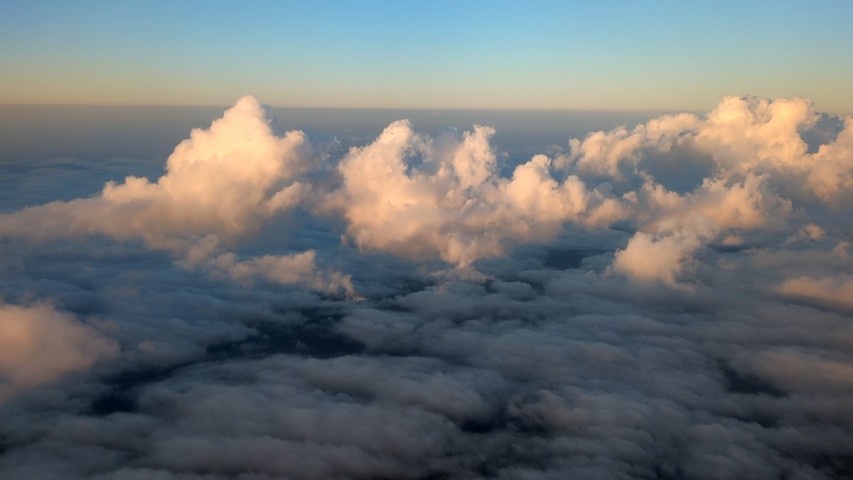
clouds and horizon seen from a flight to Patagonia
Sunrise hitting the clouds as we fly into Buenos Aires

As a frequent traveler to Africa whose most recent international trips have included Egypt, Jordan, Tanzania, and India, I was pleasantly surprised at how quick and painless it was to get to Calafate, Argentina, our launching point into Patagonia. After a short hop from Bozeman to Dallas, I boarded a plane, watched a movie, fell asleep, and awoke just as we were landing in Buenos Aires around 10:00 am.

Our private guide met us at the airport and took us on a fabulous adventure through this artsy, vibrant, and charming city, where we ate, drank, explored, and admired to our heart’s content. It was refreshing to be reminded of how easy it is to travel to South America without having to deal with marathon-length flights and jet lag. A quick flight to El Calafate the next morning, and we were rested and ready to head into Patagonia’s famed mountains.

Plazo de Mayo Buenos Aires Argentina
Buenos Aires Plaza de Mayo
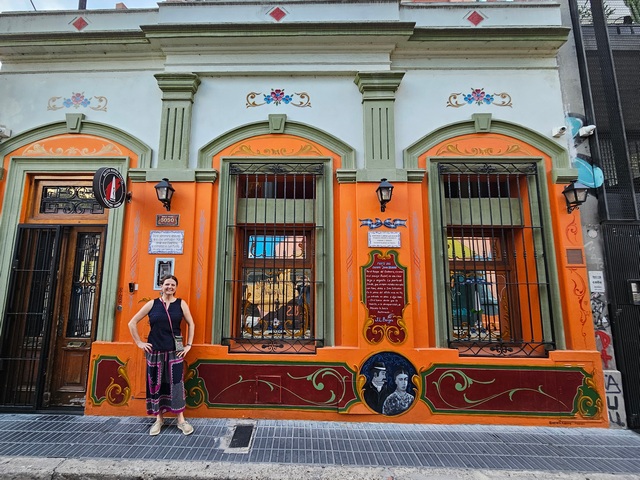
Colorful buildings in Palermo, Buenos Aires
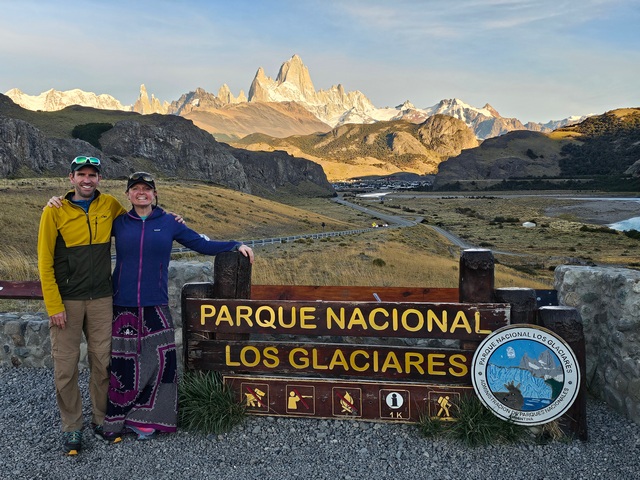
El Chalten entrance to Los Glaciares National Park in Patagonia Argentina
We made it to Los Glaciares in no time

2) Argentina Has Amazing Cuisine

Main course at Mako Restaurant in Calafate, a smattering of artfully presented steaks and vegetables
Main course at Mako in Calafate

What surprised me the most about the food in Argentina was how strongly European-influenced it is. I knew that Argentina was known for its beef and wines (foodies, check out our Wonders of Wine itinerary!) but I had no idea just how exquisite the food is, with a lot of Italian and Spanish flavors. Buttery empanadas, melt-in-your-mouth steaks, juicy lamb chops, creamy risottos, and decadent desserts – there are endless ways to indulge your taste buds!


Lamb being roasted over an open flame in Calafate Argentina, a quintessential Patagonian dish
Lamb being roasted over an open flame, a quintessential Patagonian dish
A European and Brazilian-influenced snack plate served at the luxurious Eolo Lodge near Calafate Patagonia Argentina
A European and Brazilian-influenced snack plate
best pizza in el Chalten
The world's best pizza in El Chalten

We enjoyed an exceptional four-course meal at Mako in Calafate and discovered the best pizza on Earth (seriously better than anything we had in Italy!) at a nondescript restaurant in El Chalten. Wine lovers will also be delighted by the quality and distinctive varieties of Argentine wines readily available, from smooth Malbecs to aromatic Torrontés and crisp Chardonnays.

3) Patagonia's Wildlife Is Extraordinary

As an avid wildlife enthusiast, I knew that we might have the chance to see some of the iconic wildlife of the Patagonian steppe, from guanacos (camelid family) to rhea (ostrich) to condors and armadillos. However, I didn’t think wildlife would be a focus of the trip, so I left my good camera at home. That was a huge mistake! Within our first 24 hours in Patagonia, we saw seven Andean condors catching thermals and soaring upward into the clouds; dozens of rhea and guanacos scattered across the steppe; three Magellanic woodpeckers in the forest (one of whom was completely undisturbed by our presence and let us get one meter away as it pecked incessantly at a log full of grubs!); and numerous bird species like flamingos, caracara, eagles, ibis, and lapwings.

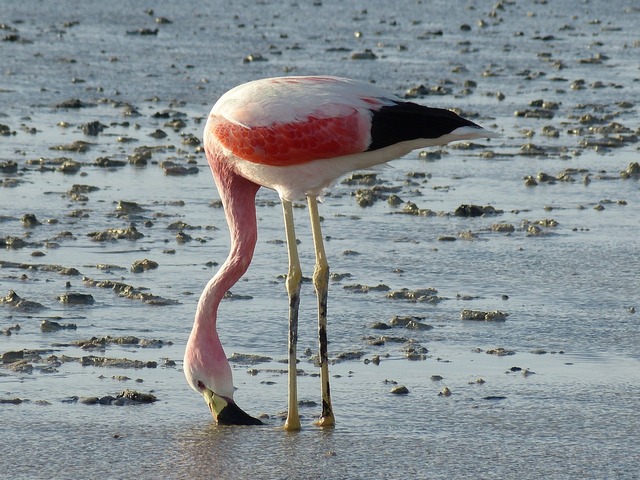
Flamenco Austral (Chilean flamingo) seen near el Chalten in Patagonia Argentina
Flamenco Austral (Chilean flamingo)
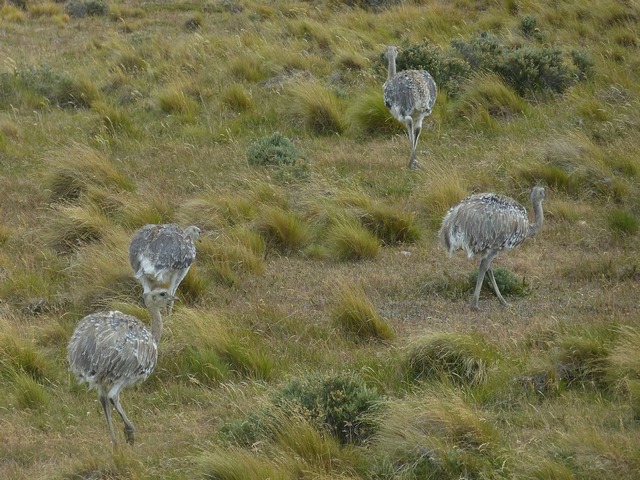
Choique (rhea / ostrich) seen in Patagonia Chile Torres del Paine
Choique (Darwin's rhea) are abundant on the Patagonia steppe

Once we headed to Chile’s Torres del Paine (TDP) the wildlife got even better, with foxes, armadillos, skunks, and even a puma making our list of wildlife sightings. Visitors who venture out to the Valdes Peninsula or other coastal regions of Patagonia can spot orcas, penguins, sea lions, whales, and other marine wildlife – check out our Untamed Argentina itinerary for more inspiration!


Visitors enjoying up-close encounters with guanacos while based out of the luxurious Tierra Patagonia lodge in Torres del Paine National Park Chile
The tame guanacos of TDP
wild guanacos grazing on the Patagonian steppe viewed on a day hike based out of the luxurious Tierra Patagonia lodge in Torres del Paine National Park Chile
Chulengo or guanaquitos (baby guanaco)
Patagonian armadillo seen from Tierra Patagonia lodge in Torres del Paine National Park Chile
Piche Patagonico (Patagonian armadillo)
Grey fox seen while based out of the luxurious Tierra Patagonia lodge in Torres del Paine National Park Chile
Zorro Gris (grey fox)

4) Patagonia Has Incredible Estancias

Having never visited an estancia before, I anticipated that it would be an interesting and unique experience, but I had no idea that estancia visits would be such a highlight of our trip! It was fascinating to see the unique character, history, and activities that each estancia offered. I loved the deeper cultural understanding that we gained by learning about the history of each estancia, checking out original artifacts, hanging out with the gauchos, and riding horses on the same trails that brave homesteaders traveled so many centuries ago.

Three guests on horseback riding amidst the incredible scenery of Estancia Cristina near Los Glaciares National Park in Patagonia Argentina
Horseback riding is a must-do estancia activity
A chef prepares a traditional asado of roasted lamb in the Patagonia region of Chile
A traditional asado (barbeque)

My favorite place of all was Estancia Cristina – a wild place, accessible only by a two-hour boat ride and the perfect place to absorb the historical, estancia vibe of the region while exploring the mountains nearby. Whether your dream trip includes catching a 40-lb chinook salmon during a fishing excursion, herding sheep with the gauchos, or unwinding with a massage in the spa of a gorgeous Relais & Chateaux property, an estancia stay will help you better understand Patagonia’s history while immersing yourself in some of the most remote and ruggedly beautiful landscapes on Earth.

The guest lodges at Estancia Cristina, a luxury estancia located in the heart of Los Glaciares National Park in the Patagonia region of Argentina
Remote luxury at Estancia Cristina
Estancia Cristina's historic steamship, Cristinita, on the shores of Lago Argentina in the heart of Los Glaciares National Park in the Patagonia region of Argentina
Estancia Cristina's historic steamship, Cristinita, on the shores of Lago Argentina
A couple holds hands while posing while riding horses at Estancia Cristina, a luxury estancia located in the heart of Los Glaciares National Park in the Patagonia region of Argentina
Another day enjoying the estancia life at the end of the Earth

5) Patagonia Has Loads Of Fossils

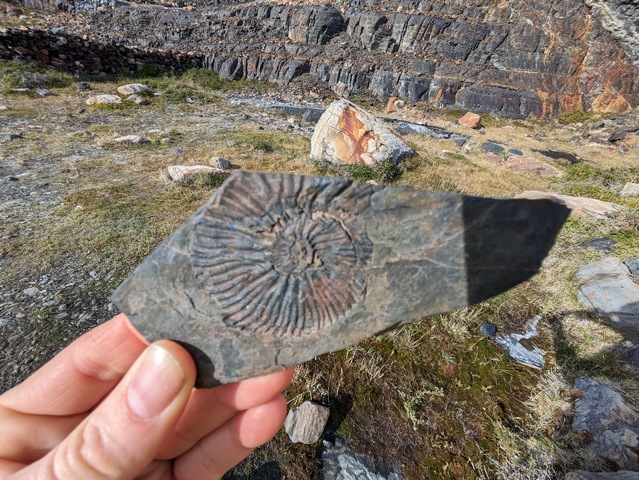
Patagonia is known for its striking geologic features, including sprawling glaciers, azure lakes, and jagged mountains. What I didn’t know is that it is also a geologic treasure trove for the keen fossil hunter. At Estancia Cristina, our day hike to visit the Upsala Glacier and then hike down the Fossil Canyon is hands-down the most interesting and scenic hike I have ever done, revealing hundreds of fossilized sea creatures like ammonites and belemnites (a type of squid) as we descended through a dazzling array of rock layers.

Someone holding a small marine fossil found in the Fossil Canyon hike of Estancia Cristina near Lago Argentina in Patagonia
The first of many marine fossils I found in the Fossil Canyon
Belemnite (squid) fossil encased in pyrite, found in the Fossil Canyon hike of Estancia Cristina near Lago Argentina in Patagonia
Belemnite (squid) encased in pyrite
A man's hand next to a large ammonite fossil found in the Fossil Canyon hike of Estancia Cristina near Lago Argentina in Patagonia
Large ammonites

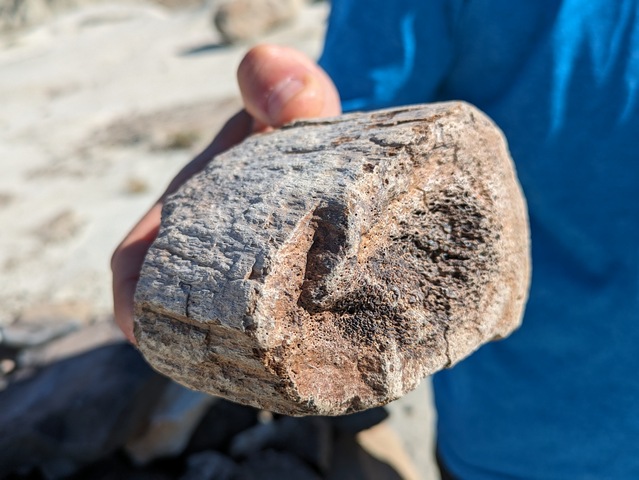
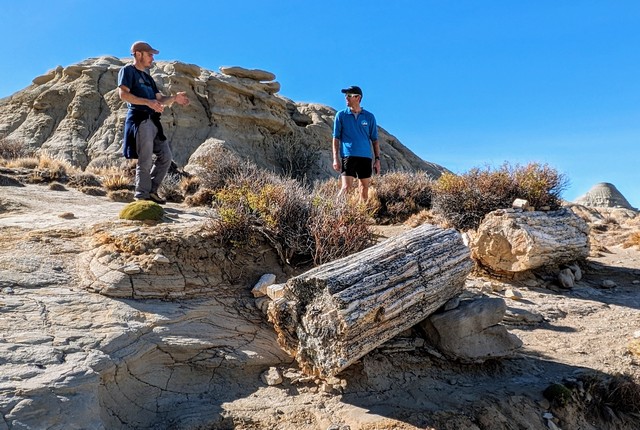
Further afield, we also enjoyed a spectacular half-day exploration of a petrified forest outside of El Chalten, complete with some of the most magnificent samples of petrified wood I’ve ever seen, plus the occasional fossilized dinosaur bone. The Sierra Baguales range, just to the east of the Torres del Paine massif in Chile, also provides some cool day hikes to discover countless fossils of plants, mammals, and marine vertebrates.

Man holding a fossilized dinosaur bone found in petrified forest hike near Calafate Argentina in Patagonia
Fossilized dinosaur bone near Calafate
Two men standing next to two two petrified wooden logs found in a petrified forest hike near Calafate Argentina in Patagonia
Incredible petrified wood remnants near Calafate

6) Patagonia's Winds Are Relentless

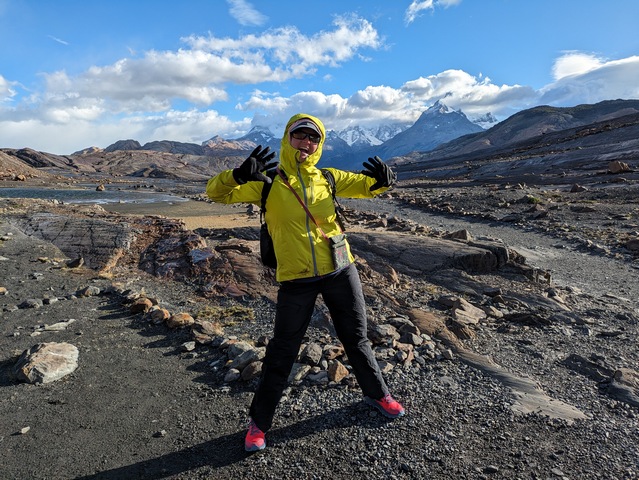
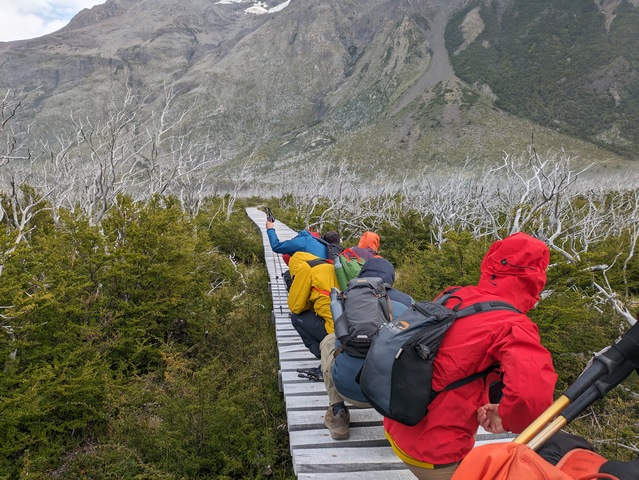
While it was interesting to see that southern Patagonia was much drier than expected, it was still insanely windy! We weren’t even there during the peak windy months of summer (January and February), but we did get to experience a couple of memorable hikes where the wind provided an extra element of adventure. Despite some gusty days, it was surprising to see how warm I felt since the air temperatures never really went below 50F degrees.

A hiker standing in the windy mountains demonstrating essential hiking gear at the start of the Fossil Canyon hike at Estancia Cristina near Lago Argentina in Patagonia
Windproof jacket, pants, and gloves were essential gear
Hikers crouch on a boardwalk to seek protection from strong winds on the Mirador Frances hike in Torres del Paine National Park in Chile
Crouching low to avoid getting knocked down by 50mph gusts

Overall, I was surprised that the fall weather wasn’t as bad as expected, and I didn’t even use some of the outerwear layers that I brought because the air temperatures were mild. Our guides were excellent at adapting to the weather and choosing hikes or activities that made sense for the conditions, giving us the opportunity to get out and explore each day regardless of what Mother Nature was sending our way.

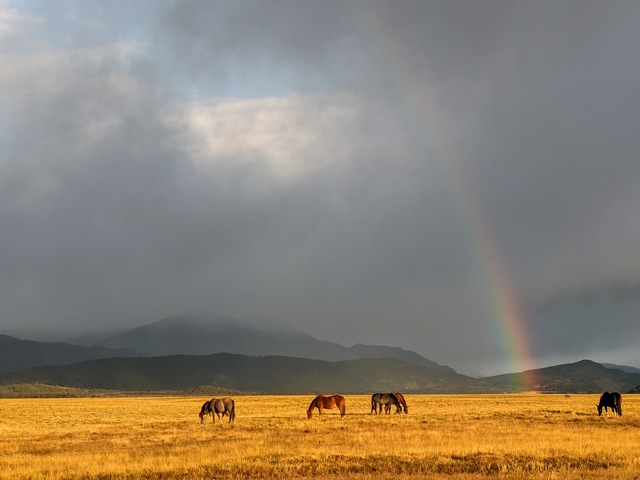
Four horses graze on grass underneath a rainbow in Torres del Paine National Park in Patagonia, Chile
Patagonia's volatile weather sometimes includes rainbows and sunshine
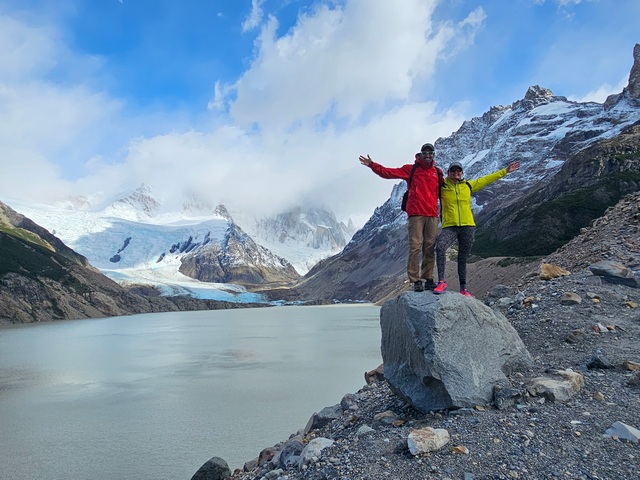
Two hikers standing tall on a rock with a mountain lake in the background while hiking the Laguna Torre hike near El Chalten in the Patagonia region of Argentina
The winds did not stop us from enjoying spectacular hikes

7) Torres del Paine Is Filled With Pumas

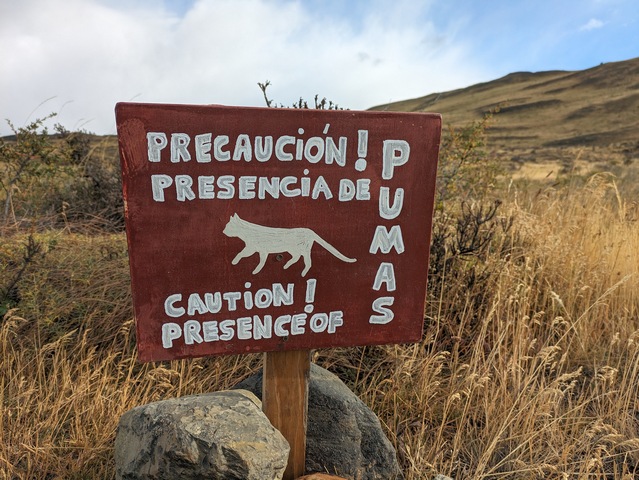
sign warning of the presence of pumas in Torres Del Paine National Park Chile Patagonia

Torres del Paine (TDP) National Park in Chile is South America’s most iconic national park, and when most people hear that name they undoubtedly think about emerald lakes ringed by towering granite massifs – a hiker’s paradise, for sure. After spending a week in the park, I was blown away to discover that it is the best place on Earth to see a puma in the wild. From day one we started encountering other travelers who had seen the elusive cat on their excursions – puma crossing the road on the drive to the hike; puma spotted at the waterfall near camp; puma sleeping just meters away from the trail during a day hike.


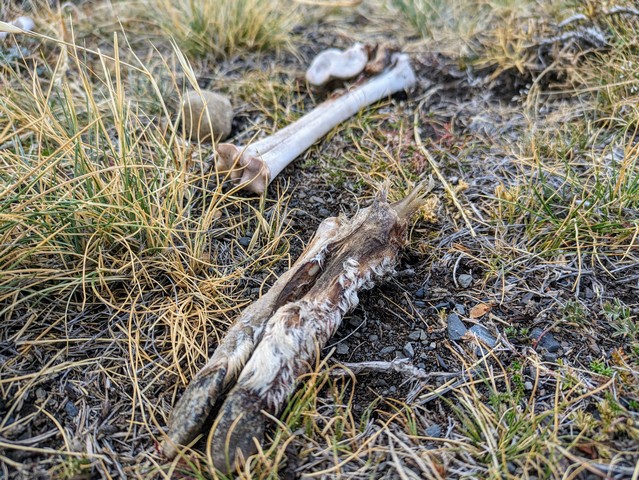
A half-eaten guanaco leg and bone is evidence of pumas near Cerro Guido in Torres del Paine National Park, Chile
Evidence of the elusive puma in TDP

After several hikes and no puma, I had given up all hope of seeing one on this trip, knowing how elusive they typically are. Then, it happened! We were sitting at dinner next to the huge picture window in the gorgeous Tierra Patagonia hotel when a puma casually sauntered by, just 30’ away, instantly attracting every single person in the restaurant to the window to gape and snap photos. The glass wall between us made the puma feel completely at ease, as she prowled along slowly, even stopping to look directly at us at one point, providing us with so much more than just a fleeting glimpse. While wildlife sightings of any kind can never be guaranteed, there is a reasonable chance that you might see a puma if you spend enough days in Torres Del Paine!

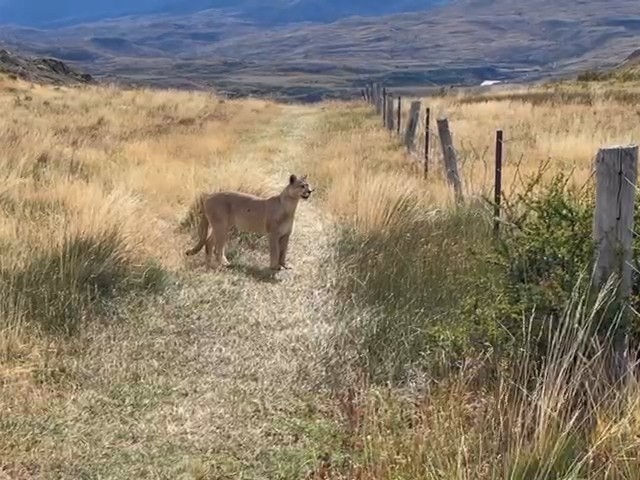
a puma standing next to a fence in Torres Del Paine National Park in the Patagonia region of Chile
Three out of four guests we encountered at our lodges saw a puma during their stay

Ready to plan your own Patagonian adventure and see what surprises this ruggedly beautiful place has in store for you? Ask us how!

Your wild adventure aficionado,

Alexis Alloway

Let’s Stay In Touch

Subscribe to our newsletter